
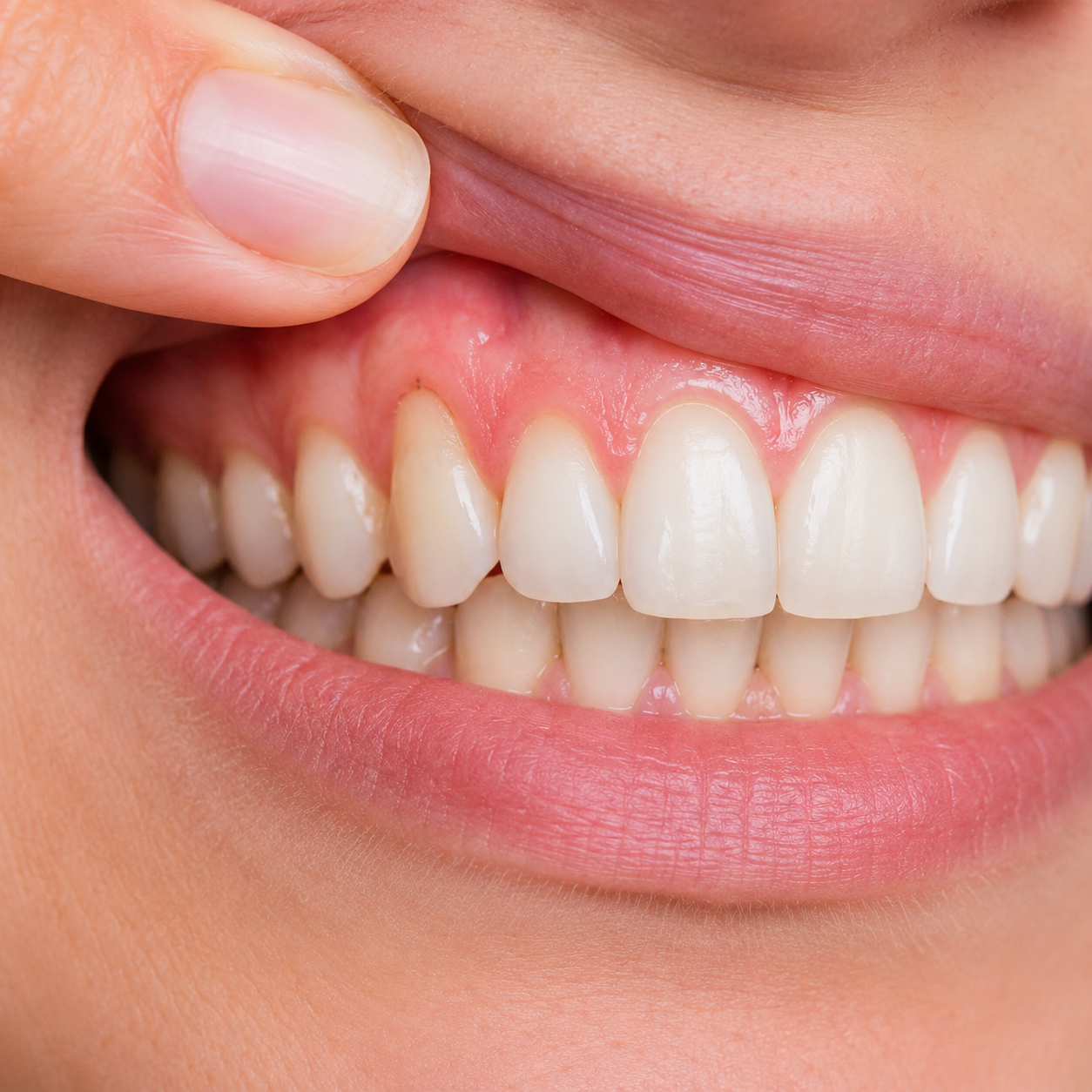
Do your gums seem to be lower than they used to be? Are your teeth extra sensitive when you eat or drink hot or cold foods? Maybe you’ve spotted some bleeding while brushing or flossing. These are all signs of receding gums (also called gum recession) that people experience.
There’s no need to panic: Gum recession is extremely common and can happen to anyone at any age. The good news is that while gum tissue will not grow back by itself, taking care of the problem right away can help you avoid further damage to your gums and teeth.
Why Healthy Gums Matter
Healthy gums protect your teeth from bacteria and keep them firmly in place. Gum tissue fits tightly around each tooth creating a seal that prevents food particles and bacteria from spreading below the gumline and infecting the tooth’s root and supporting bone.
When gum recession occurs, pockets can form between the teeth and gums. Bacteria can collect in these pockets, which can lead to decay and infection. As the bacteria eat away at the bone that supports your teeth, you can start to experience pain and loss of teeth.
Signs You Might Have Receding Gums
Because gum recession can happen gradually over time, you may not feel any discomfort in the early stages. Regular dental exams can help your dentist spot changes in your mouth before you become aware of them.
You may experience:
- Sensitive teeth when you eat or drink something hot or cold
- Gums that bleed when you brush/floss
- Swollen, red, or tender gums
- Bad breath that won’t go away
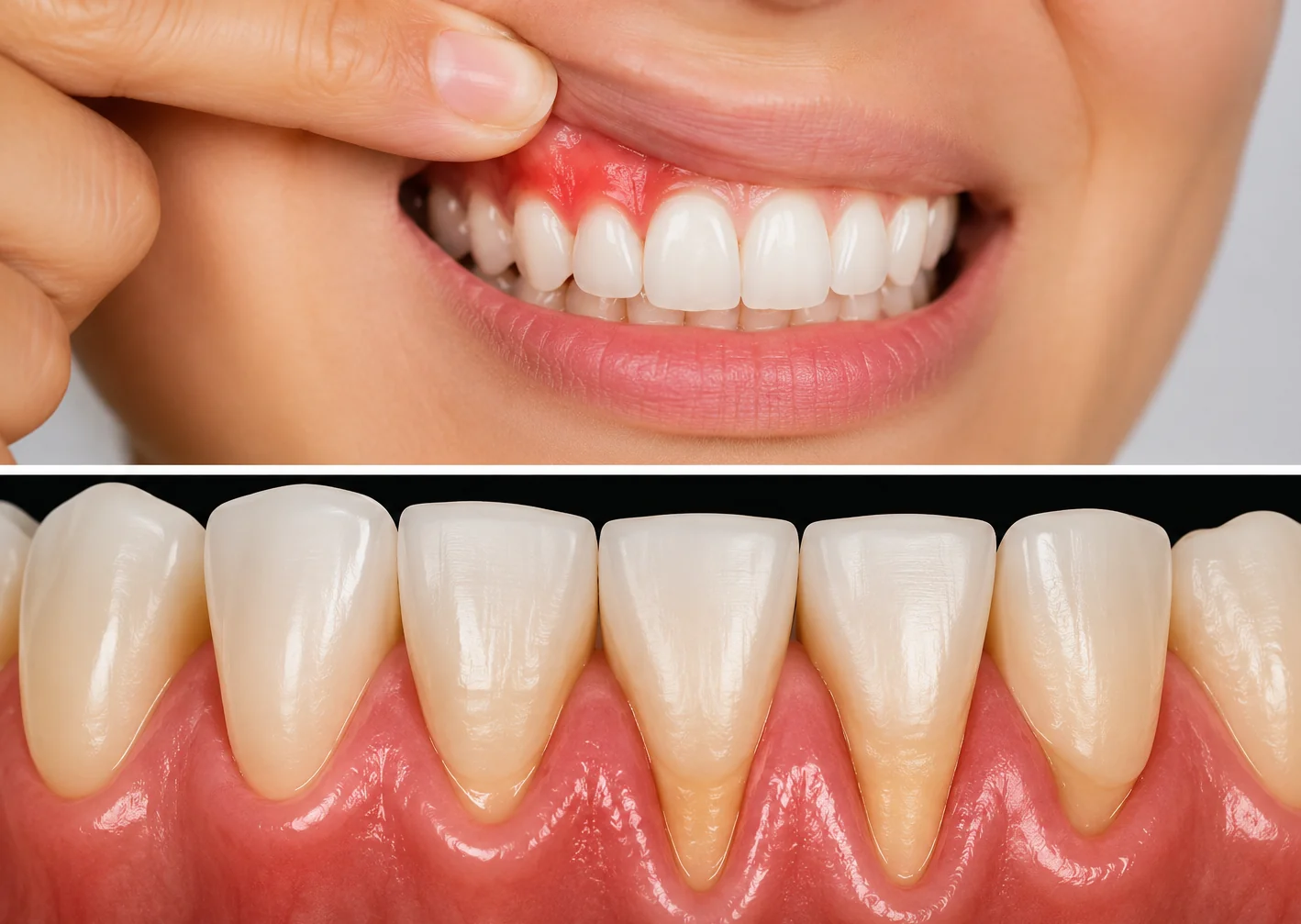
- Teeth that look longer because less gum tissue is showing at the top
- Exposed tooth roots
- Loose teeth in advanced cases
Make an appointment today if you experience any of these symptoms.
What Causes Gum Recession?
Gums can recede for many reasons and often more than one. Here are some of the most common culprits.
Gum Disease
Periodontal (gum) disease is by far the most common reason for receding gums. Plaque and bacteria build up along the gumline causing the gums to become inflamed. Over time this persistent inflammation will destroy the gum tissue and bone.
Brushing Too Hard
Hard brushing and using a toothbrush with hard bristles can wear away the gum tissue over time. Gentle brushing with a soft bristled toothbrush is much more effective at cleaning your teeth and gentler on your gums.
Genetics
Some people are genetically predisposed to have receding gums regardless of how good their oral hygiene habits are. This can be due to naturally thin gums or other genetic factors.
Crooked Teeth or Bite Problems
Crooked teeth or a bad bite can cause too much pressure to be placed on parts of your gums. Over time, this can cause those areas of your gums to recede.
Teeth Grinding and Clenching
Grinding your teeth (bruxism) or clenching down puts a lot of pressure on your teeth and gums. Over time, this pressure can lead to receding gums.
Hormonal Changes
During puberty, pregnancy and menopause, your hormones change. These changes increase your risk of developing gum disease and receding gums.
Gum Injury
Whether you get hit in the mouth, injure your gums while playing sports or brush too hard, an injury to your gums can cause them to recede.
Tobacco Use
Smoking and using other tobacco products limit blood flow to your gums, weaken your immune system and promote plaque buildup. This combination of effects puts you at higher risk of gum disease and receding gums.
How Is Gum Recession Treated?
Don’t despair, receded gum tissue won’t grow back on its own, but there are treatments available thanks to modern dentistry. Learn about your options below.
Deep Cleaning
Sometimes receding gums can be caused by gum disease. In this case your dentist might recommend scaling and root planing, which is a deep cleaning procedure that removes plaque, tartar, and bacteria under the gum line. This should eliminate inflammation and give your gums a chance to heal.
Gum Grafting
Severe or moderate gum recession is often treated with a gum graft. This procedure involves adding healthy tissue to the affected area to cover the exposed root. Gum grafts can help restore your gumline while improving the cosmetic look of your smile, reducing sensitivity and protecting the tooth.
Treating the Underlying Cause
Depending on what is causing your receding gums your dentist may also recommend one or more of the following treatments:
- Wearing a custom night guard if you grind your teeth
- Seeking orthodontic treatment to correct your bite
- Learning proper brushing and flossing techniques
- Quitting tobacco use with the help of your dentist
No matter what treatment you receive for your receding gums it’s important to treat the underlying issue in order to prevent future recession.
How to Prevent Gum Recession
While not every case can be prevented, healthy habits greatly reduce your risk.
Follow these tips to help keep your gums healthy:
- Brushing twice daily with a soft-bristled toothbrush
- Flossing daily
- Visit your dentist twice a year for cleanings and exams
- Wear a night guard if you grind your teeth
- Quitting smoking or using tobacco products
- Get treatment for bite issues if they’re causing problems (as recommended by your dentist)
- Practice good oral hygiene
Take Care of Your Smile for Years to Come
Gum recession is a common condition, but it shouldn’t be ignored. Early treatment can help prevent tooth sensitivity, gum disease, and more extensive dental problems in the future.
If you’ve noticed changes in your gums or increased tooth sensitivity, schedule an appointment with Cyprus Family Dental. Our experienced team can identify the cause of your gum recession and recommend personalized treatment to help keep your smile healthy, comfortable, and strong for years to come.
You can help protect your gums by:
- Brushing twice daily with a soft-bristled toothbrush
- Flossing every day
- Visiting your dentist regularly for cleanings and exams
- Wearing a night guard if you grind your teeth
- Quitting smoking or using tobacco products
- Addressing bite alignment issues when recommended
- Maintaining excellent overall oral hygiene
Save Your Smile Today
Gum recession may be common, but that doesn’t mean you should ignore it. Seeking treatment as soon as possible can prevent tooth sensitivity, gum disease, and even more serious dental issues down the road.
Don’t let receding gums rob you of your smile. If you’ve noticed your gums have changed or your teeth have become more sensitive contact Cyprus Family Dental today. Let our knowledgeable team determine the underlying cause of your receding gums and discuss treatment options to keep your smile healthy and pain-free for years to come. To achieve healthy, confident smiles, call (801) 250-0203 or fill out our online form. We look forward to helping you with all your dental needs.