
Do you experience sudden, sharp pain when consuming cold drinks, sugar or even when breathing cold air? If so, you may suffer from sensitive teeth. Tooth sensitivity is quite common, but that doesn’t mean it should be ignored.
Here at Cyprus Family Dental in Magna, Utah we work with our patients to determine what is causing their teeth to be sensitive. We will then treat your teeth according to what is causing the problem.
What Is Tooth Sensitivity?
Tooth sensitivity occurs when the inner layers of your teeth are exposed more than they should be.
Your teeth are covered with enamel above your gums and cementum below your gums. Underneath both of these layers is a material called dentin. Dentin has tiny tubes that create pathways for sensations to reach your tooth’s inner nerve. When enamel becomes worn down or gums recede, hot, cold, sweet, or acidic foods can cause pain.
Tooth sensitivity can affect one tooth or many teeth. The pain you feel can range from mild to severe.
Common Causes of Tooth Sensitivity
There are several reasons your teeth may suddenly become more sensitive.
1. Worn Tooth Enamel
The enamel is the hard coating on your teeth that protects them. Once your enamel wears down, your sensitive dentin can become exposed.
Causes of enamel wear include:
- Brushing too aggressively
- Using a hard-bristled toothbrush
- Frequent acidic foods and drinks
- Teeth grinding
- Normal wear over time
Brushing with a soft toothbrush and the proper technique can help prevent further wear.
2. Gum Recession
Your gums can pull away from your teeth, exposing parts of your roots.
Roots aren’t protected by thick enamel like your crown is. They can be sensitive to hot and cold temperatures.
Gum disease, brushing too hard, age and other factors can cause your gums to recede.
3. Cavities
Sensitive teeth can be a sign of a cavity before you get severe tooth pain.
If you have a cavity you may feel some discomfort when you eat sweets or drink something cold. The deeper the decay gets into your tooth, the more sensitive it may become.
It’s usually best to treat cavities as soon as they’re detected.
4. Cracked or Damaged Teeth
Tiny cracks in teeth can let hot/cold temperatures and pressure reach the tooth’s sensitive layers.
When you bite or chew, you may feel pain in a cracked tooth, particularly when you let go of the object.
Have your dentist check any teeth that suddenly become sensitive to pressure.
5. Teeth Grinding or Clenching
Teeth grinding can slowly wear down your enamel. It also puts additional pressure on your teeth.
Some people grind their teeth in their sleep and aren’t even aware of it.
Symptoms you may notice include:
- Morning jaw soreness
- Headaches
- Flattened or worn teeth
- Chipped enamel
- Tooth sensitivity
Nightguards can sometimes help prevent damage from grinding.
6. Recent Dental Treatment
Sometimes sensitivity is temporary and can occur after dental work like:
- Fillings
- Crowns
- Professional teeth whitening
- Deep cleanings
- Other restorative treatment
This sensitivity may subside after the tooth has had time to settle. However, if the pain is significant or persists, your dentist should examine it.
7. Whitening Products
Whitening toothpaste and bleaching treatments can increase tooth sensitivity temporarily for some patients.
If you experience sensitivity while using whitening products, try decreasing how often you use the treatment or try a sensitivity toothpaste.
You should also speak to your dentist if the sensitivity becomes uncomfortable.
What Foods Can Make Sensitive Teeth Hurt?
Some trigger foods/drinks are more likely to cause sensitive teeth than others.
These triggers include:
- Ice water
- Hot coffee
- Ice cream
- Soda
- Citrus fruits
- Candy
- Sugary treats
- Acidic sports or energy drinks
Sensitive teeth won’t necessarily mean something is wrong when you eat these foods. However, if you experience persistent pain or increased sensitivity over time, you should visit your dentist.
Treatment for Tooth Sensitivity
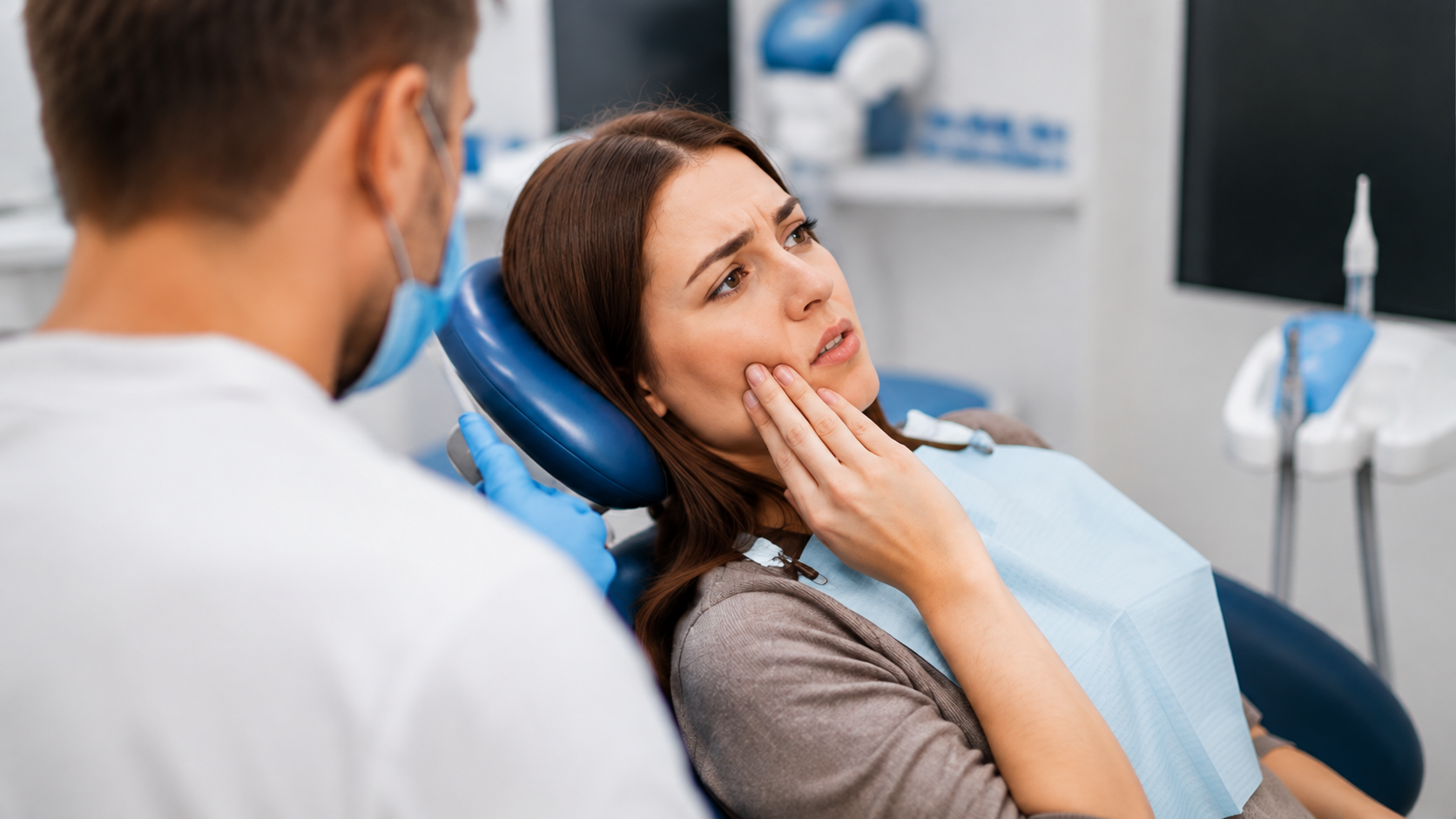
Tooth sensitivity can be treated depending on the cause.
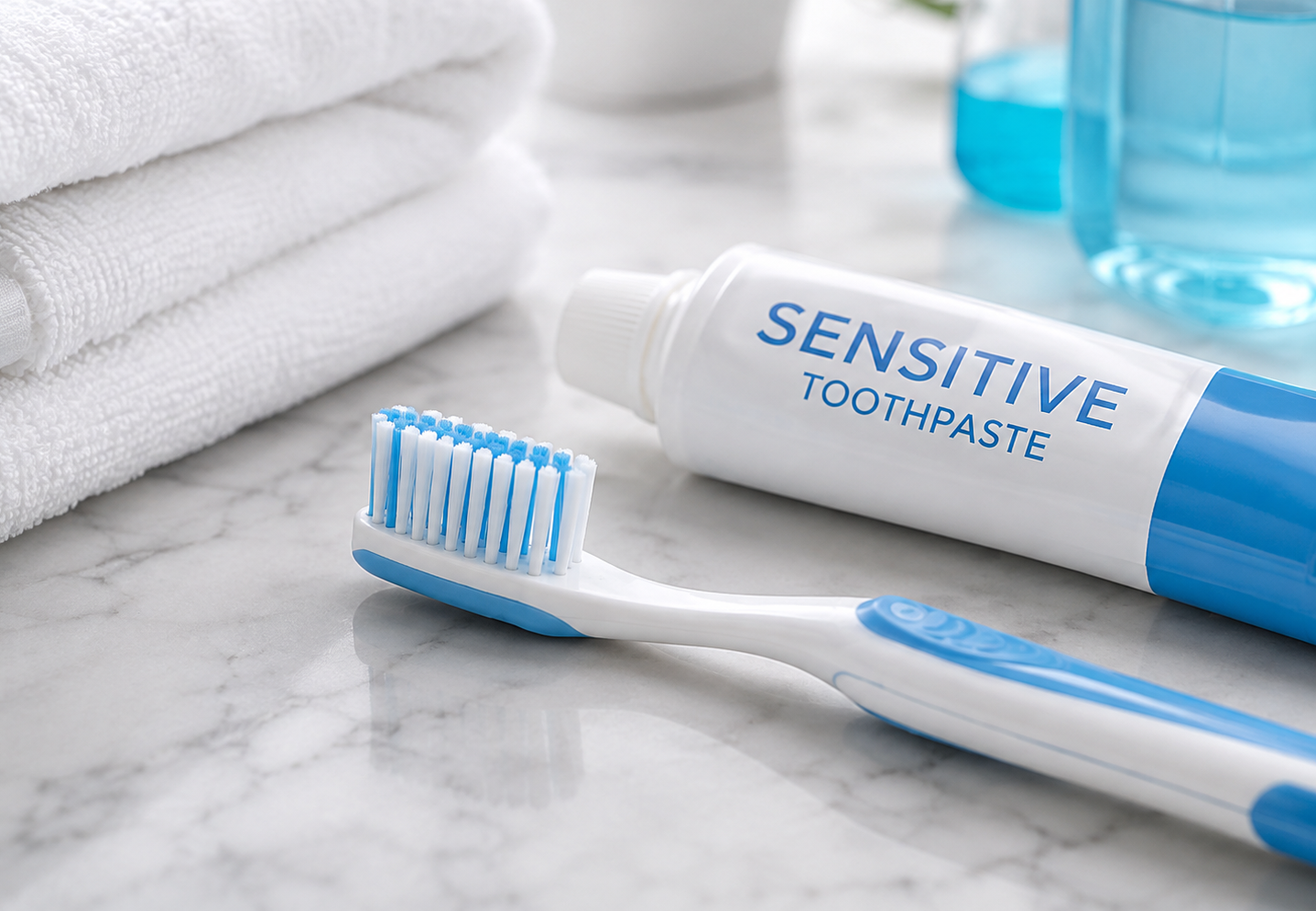
Desensitizing Toothpaste
The toothpaste works by obstructing the tubules that send sensations to the nerve of the tooth.
It may take a few applications before you feel a difference.
Fluoride Treatment
Professional fluoride treatments can strengthen enamel and decrease sensitivity for some patients.
You may also be directed to use a fluoride toothpaste or another product at home.
Dental Bonding
Exposed tooth roots or enamel can sometimes be covered with dental bonding.
The bonding is a tooth-colored protective material applied to the sensitive area.
Treating Cavities or Cracks
When decay or damage is the source of your sensitivity, treatment to the tooth may be necessary.
Treatment may include:
- A dental filling
- Dental bonding
- A crown
- Other restorative care
Addressing the underlying issue can decrease or eliminate sensitivity.
Gum Disease Treatment
Gum recession or periodontal disease may also lead to sensitivity. Treatment to your gums may be required.
Your dentist will examine your gum health and suggest the proper level of treatment.
Nightguards for Grinding (Bruxism)
You may need a custom nightguard if you grind or clench your teeth.
Nightguards provide a barrier between the top and bottom teeth and may help prevent further wear.
Can You Prevent Tooth Sensitivity?
Not every case can be prevented, but good oral hygiene habits can lower your risk.
Try to:
- Brush twice daily with a soft-bristled toothbrush
- Use fluoride toothpaste
- Avoid brushing too aggressively
- Floss or clean between your teeth daily
- Limit frequent acidic drinks and foods
- Drink water after acidic beverages
- Avoid chewing ice or other hard objects
- Wear a nightguard if recommended
- Keep up with routine dental checkups
Visiting your dentist regularly can also help catch enamel wear, receding gums, and cavities before they get more sensitive. Nightguards are available for patients who grind or clench their teeth. Nightguards provide a protective barrier between your upper and lower teeth.
When Should You See a Dentist for Sensitive Teeth?
Sensitive teeth don’t always need to be treated right away. However, make an
- Happens frequently
- Is getting worse
- Affects only one tooth
- Causes sharp or severe pain
- Makes chewing uncomfortable
- Continues after hot or cold exposure
- Occurs along with swelling or gum pain
Sudden teeth sensitivity can indicate a cavity, cracked tooth, infection, or other condition that will require treatment.
Tooth Sensitivity Treatment in Magna, Utah
Sensitive teeth can make everyday activities such as drinking ice water or eating your favorite meals painful. Luckily, there are many options for treating sensitive teeth once you determine the cause.
Here at Cyprus Family Dental in Magna, UT we can look at your teeth and gums, diagnose what might be causing sensitivity and suggest treatment options that work for you.
Don’t wait for sensitive teeth or pain in a single tooth to become severe. Give us a call at (801) 250-0203, or contact us here today to set up an appointment for tooth sensitivity treatment in Magna, Utah.