
Sleep apnea is a common but serious condition that affects millions of Americans. Characterized by repeated interruptions in breathing during sleep, it can lead to daytime fatigue, heart problems, and other long-term health issues if left untreated. While many people associate sleep apnea treatment with CPAP machines, dentists now offer comfortable, non-invasive solutions that can make a big difference in quality of life.
What Is Sleep Apnea?
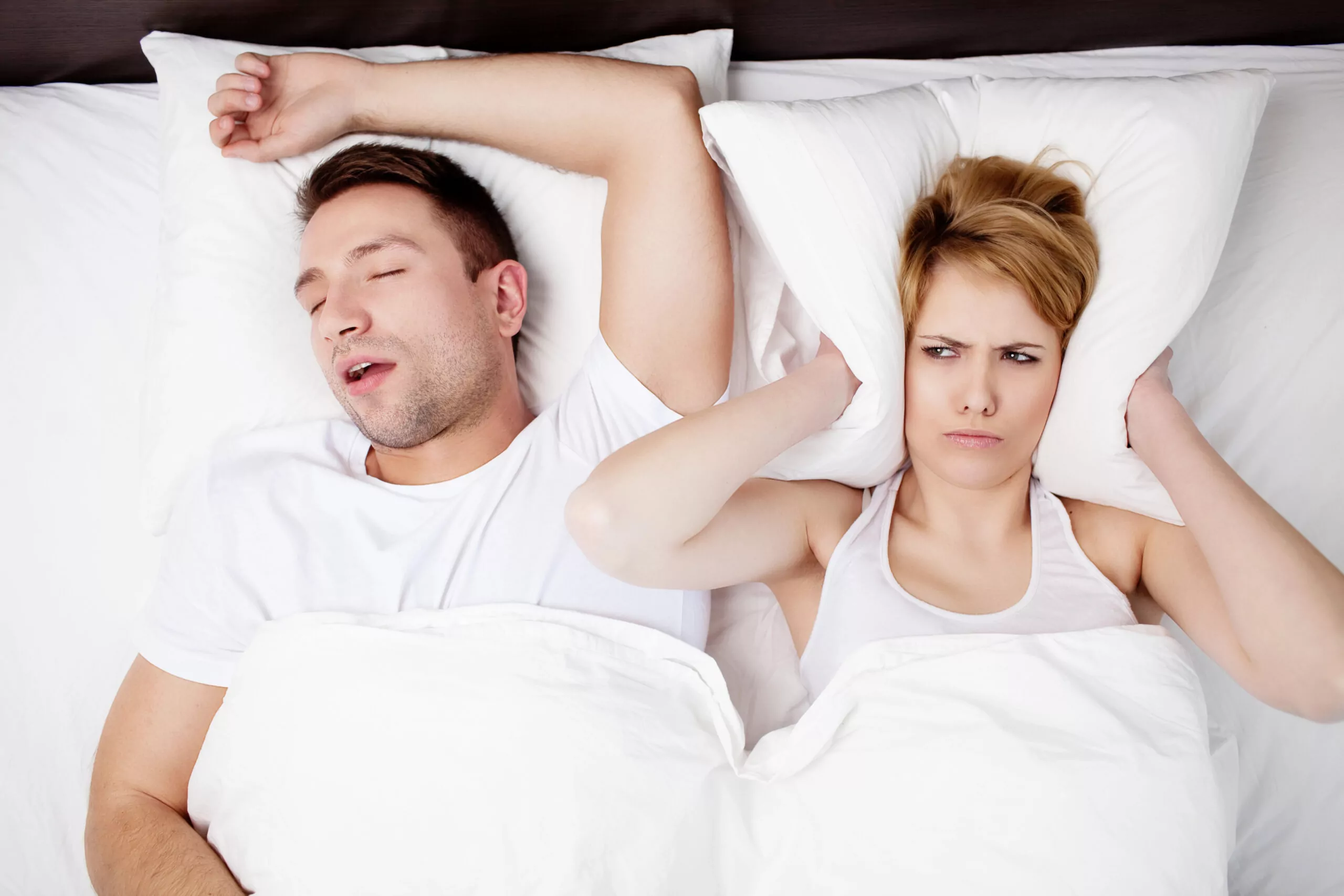
Sleep apnea occurs when the airway becomes partially or completely blocked during sleep, reducing airflow and oxygen levels. The most common type, obstructive sleep apnea (OSA), happens when the muscles in the throat relax excessively, causing airway obstruction. Common signs include loud snoring, morning headaches, difficulty staying asleep, and excessive daytime sleepiness.
Why See a Dentist for Sleep Apnea?
Dentists are uniquely positioned to help treat sleep apnea because they specialize in the oral and jaw structures that can influence airway health. Dental sleep medicine focuses on creating oral appliances that prevent airway collapse during sleep. These treatments are non-invasive, easy to use, and often more comfortable than traditional CPAP therapy.
Non-Invasive Dental Treatments for Sleep Apnea
Oral Appliance Therapy (OAT)
Oral appliances are custom-made devices worn in the mouth during sleep. They gently reposition the lower jaw, tongue, and soft tissues to keep the airway open. Many patients find these devices easier to tolerate than CPAP masks, making them a popular choice for mild to moderate sleep apnea.Mandibular Advancement Devices (MADs)
MADs are a type of oral appliance designed specifically to advance the lower jaw slightly forward. This adjustment helps prevent airway collapse and improves airflow throughout the night. MADs are adjustable and custom-fitted for maximum comfort.Tongue Retaining Devices (TRDs)
TRDs hold the tongue in a forward position to reduce airway obstruction. These devices are a good option for patients who cannot comfortably use mandibular advancement devices or who have certain dental conditions.
Benefits of Dental Sleep Apnea Treatments
Comfortable and easy to use – Unlike CPAP machines, oral appliances are compact, portable, and non-intrusive.
Non-invasive – No surgery is required.
Custom-fit for each patient – Dentists create appliances tailored to your mouth for maximum effectiveness and comfort.
Improved sleep quality – Many patients report better rest, more energy, and fewer health risks after consistent use.
Is Dental Sleep Treatment Right for You?
Not every patient with sleep apnea is a candidate for oral appliance therapy. Dentists typically work in coordination with sleep specialists to evaluate severity, review sleep study results, and determine the best treatment plan. Patients with mild to moderate obstructive sleep apnea often benefit the most from dental treatments, while severe cases may still require CPAP or other interventions.
Take the First Step Toward Better Sleep
If you snore, wake up tired, or have been diagnosed with sleep apnea, a consultation with a dentist trained in sleep medicine could be a life-changing step. Contact Cyprus Family Dental for sleep apnea treatment options. Oral appliance therapy is comfortable and non-invasive and it may help you breathe easier, sleep better, and improve your overall health—without the hassle of bulky machines or invasive procedures. For more information or to schedule a consultation, please call (801) 250-0203 or book an appointment online.