

Searching for a new dentist is one of the most proactive things you can do when it comes to your oral health. Whether you’re just moving to Magna, Utah, or ready for a change in providers, the thought of that first visit to a new dental office can sometimes be nerve-wracking. Will they find stuff? Will it hurt? What kind of paperwork is going to happen? By knowing what to expect, you can turn anxiety into confidence and get to work building a better smile and a great relationship with your dental team.
Visiting a new dentist is much more than getting your teeth cleaned and polished. It is a first meeting of you, your health history, and goals for your smile. The steps you take at this appointment create a blueprint for your oral care going forward. Dental offices throughout the Magna area understand the pressure patients might feel and will do everything possible to help you get off to a great start so that you can feel like part of the community.
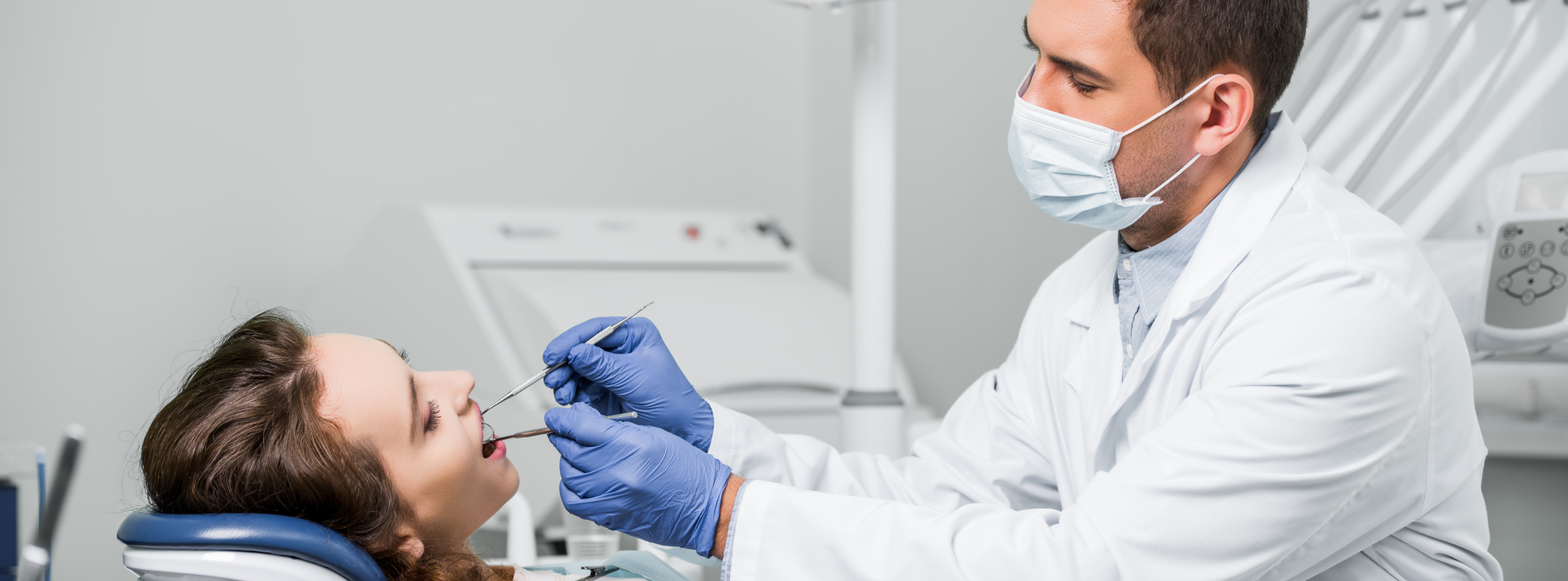
In this guide, we will cover all the steps of what to expect when you visit a new dentist in Magna for the very first time so that you can arrive prepared and with peace of mind.
Step 1: The Welcoming and Initial Paperwork
The first people you will probably meet in a dental practice are the front office staff. A friendly and professional greeting is the first sign of an excellent dental practice. When you first arrive you will be greeted and asked to fill out some initial paperwork. This is an important step in giving your new dental team a baseline of your total health.
What you can expect:
- Medical history: You can anticipate providing any current health conditions (diabetes, heart problems, etc. ), any current medications and any known allergies. Your mouth is connected to the rest of your body, so it is imperative that the dental team has this information before providing treatment. This will help ensure your care is both safe and effective.
- Dental history: Your new dental team will ask about your dental history, including previous procedures, any ongoing concerns or if you have any dental fears. You should be completely honest. The more they know about your dental fears, the more they can work with you to provide additional care and understanding.
- Insurance information: You should have your dental insurance card handy to give to the front office staff. They will process your benefits and give you an estimate of your out-of-pocket costs. If you do not have insurance you may want to inquire about payment plans or in-house membership programs.
Finishing this paperwork will give your dentist a good idea of your total health history before they even open your mouth.
Step 2: The Dental Exam
After your paperwork is processed, you will be escorted by a dental assistant or hygienist into the exam room. Here, information gathering will take place. All of this is in preparation to have a complete baseline of your oral health.
Dental X-Rays
Most new patients will receive a full set of X-rays. This is standard of care in most dental offices in Magna. The kind of X-rays you can expect are digital X-rays. They have numerous benefits such as being much lower in radiation than traditional film X-rays. They also provide immediate images that are available to view on a screen.
X-rays are important because they allow us to see what is going on under the gum tissue. X-rays can detect:
- Cavities between teeth or under existing fillings
- Bone loss from to gum disease
- Impacted teeth (such as wisdom teeth)
- Abscesses or infections at the root of a tooth
- The general health of the bone that supports your teeth
It’s a good idea to think of your X-rays as a map of your mouth. It will give your dentist critical information that the naked eye can’t see.
The Physical Exam

After the X-rays, it’s time for the dentist to take a closer look. This is your opportunity to meet your new provider and start building a relationship. The dentist will review your health history and X-rays, then conduct a visual exam. They’ll carefully examine:
- Each Tooth: Checking for decay, cracks, or wear on the enamel.
- Your Gums: Looking for signs of gingivitis or periodontitis (gum disease), such as redness, swelling, or deep pockets between the teeth and gums.
- Your Bite: Examining how your upper and lower teeth fit together, which can reveal potential jaw joint (TMJ) issues.
- Soft Tissues: Conducting an oral cancer screening by checking your tongue, cheeks, palate, and throat for abnormalities.
The exam is usually painless. The dentist will use a small mirror and an instrument called an explorer to gently check each surface.
Step 3: The Consultation and Treatment Plan
This is arguably the most important part of your first visit. After the examination is over, your dentist will sit down with you to discuss their findings. This is a two-way conversation. It is your opportunity to ask questions and share any concerns.
Talking About Your Results
Your dentist will talk to you about the things they found and the X-rays. They will show you your X-rays and point out any problems or areas of concern. Your dentist will use understandable language to tell you about the state of your oral health. If your mouth is in good health or if it could use some improvement, you should leave your dentist’s office knowing exactly where things stand.
Creating a Treatment Plan
If any problems were found, the dentist will go over a treatment plan with you. This is a plan for how to get your oral health back to where it should be. They will explain what procedures they recommend, which things should be taken care of first, and how long all the work might take. For example, a painful cavity should be taken care of before fixing a purely cosmetic issue.
The best dentist will give you options. They will go over the advantages and disadvantages of different treatments and help you plan a path that suits your health, your budget, and your time frame. Don’t be afraid to ask questions. Some questions you should never be afraid to ask are:
- “Why do I need this procedure?”
- “What are my options?”
- “What happens if I wait to get this taken care of?”
- “What is the expected cost and what will my insurance cover?”
Communication is key. Your dentist is a partner in your health.
Step 4: The Cleaning
Depending on your office’s hours and the state of your gums, your initial visit may also include a cleaning (prophylaxis) performed by a dental hygienist. You may also be scheduled for a more extensive cleaning at a later date if you have any advanced gum disease.
Your teeth will be scraped, polished, and flossed to remove plaque and tartar and help prevent cavities and gingivitis. The steps in a regular cleaning include:
- Remove Plaque and Tartar: A hygienist will use a tool to gently scrape the teeth and remove hardened plaque (tartar) that brushing can’t remove.
- Polish Your Teeth: The hygienist will use a gritty paste and brush to remove stains and polish teeth, making them feel clean and smooth.
- Floss: The hygienist will floss your teeth to remove plaque and check the health of your gums.
The hygienist can also give you tips for improving your daily oral care routine at home.
Your Smile is in Good Hands in Magna
Visiting the dentist for the first time is a proactive step towards a lifetime of good health. Dental professionals in Magna know that you need to feel comfortable, informed, and relaxed when first visiting a dentist and they work hard to help build trusting relationships with patients. So don’t let fear or uncertainty keep you from getting the treatment you deserve.
If you are ready to take the next step and book your first appointment with a local dentist in Magna, visit our website today. Don’t wait to unveil your dazzling smile & schedule a consultation with our caring team today. Take the first step toward finding a new dentist in Magna! Give us a call today at (801) 250-0203 or schedule an appointment online.
Come see us today! We’re located at:
3505 South 8400 West Ste 201
Magna, UT 84044